Introduction
Sensor magnets are small but powerful components that help machines and devices “sense” movement or position. They work with sensors to turn physical motion into electrical signals, without needing to touch anything. This makes devices more reliable and reduces wear over time.
These magnets are used in many areas, including cars, industrial machines, and smart gadgets. For example, they can help measure wheel speed in a car, detect the position of a robotic arm, or trigger a smart device when it moves.
At
AEMagnets, we make high-quality sensor magnets for all kinds of projects. We offer both standard sizes for common sensors and custom designs for unique applications. Our magnets are made to be precise, durable, and cost-effective.
In this guide, we will explain the main types of sensor magnets, the materials they are made from, and how they are used in real-world applications. This will help engineers and designers choose the right magnets for their projects.
What Are Sensor Magnets?
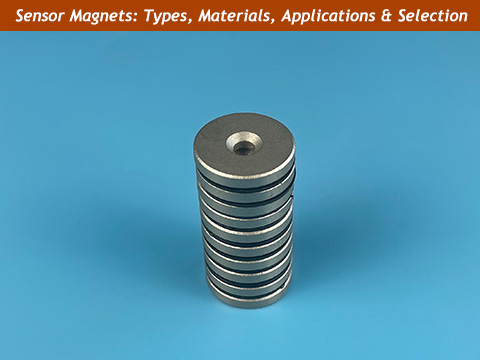
Sensor magnets are magnets designed to work specifically with sensors. Their main job is to create a magnetic field that the sensor can detect. When the magnet moves or changes position, the sensor notices the change and sends a signal. This process allows machines and devices to “know” what is happening without physical contact.
There are two common types of sensors that use these magnets:
1.
Hall Effect Sensors – These sensors measure the strength and direction of a magnetic field. When a sensor magnet passes nearby, the sensor produces an electrical signal. Hall effect sensors are often used in car engines, robotics, and electronic devices.
2.
Reed Switches – These are simple switches that close or open when a magnet comes close. They are commonly used in safety devices, door sensors, or any application where a simple on/off signal is needed.
The key advantage of sensor magnets is that they allow for
contactless sensing. Because the magnet and sensor don’t touch each other, there is less wear and tear, and the system lasts longer. Proper selection of the magnet’s size, material, and strength is important to make sure the sensor works accurately.
At
AEMagnets, we produce sensor magnets that meet these exact requirements. Our magnets are made to deliver the right field strength and size for your sensors, ensuring your devices perform reliably every time.
Different Types of Sensor Magnets
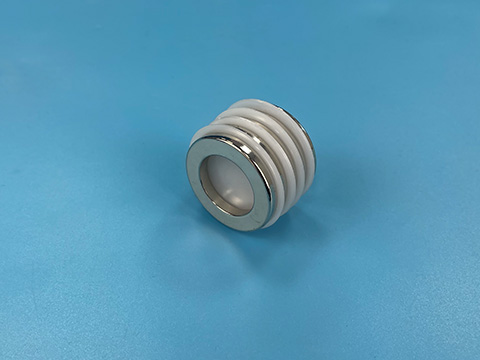
Sensor magnets come in several main types, each with unique strengths, temperature limits, and costs. Choosing the right type ensures your sensor works reliably and lasts longer.
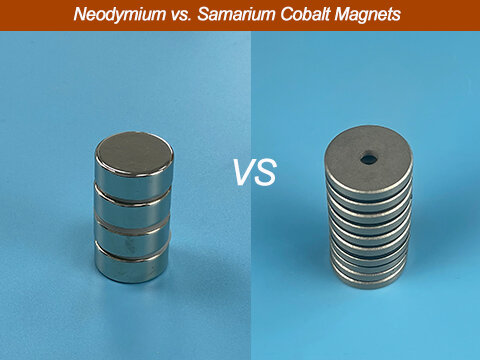
1. Neodymium (NdFeB) Magnets
Extremely strong for their size, ideal for compact devices.
Temperature grades:
-
Low-temperature grades (N35–N45): up to 80–120°C
-
Medium-temperature grades (N48–N50): up to 120–150°C
-
High-temperature grades (N52 and above): 150–230°C or more
Neodymium magnets are ideal for consumer electronics, automotive sensors, and other applications where space is limited.
As a trusted
neodymium magnet manufacturer, we recommend always matching the magnet grade to your device's operating temperature, because using a low-grade NdFeB in a high-heat environment can permanently reduce its strength.
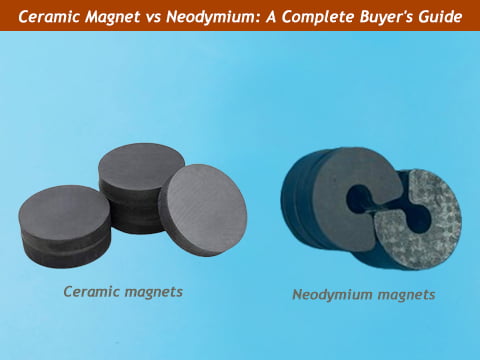
2. Ferrite (Ceramic) Magnets
-
·Affordable and durable, can withstand higher temperatures, up to around 200°C.
-
Magnetic field is weaker than NdFeB, but sufficient for many applications.
-
Ideal for cost-sensitive devices like smart locks or industrial sensors where extreme strength isn’t needed.
For specialized designs, we offer
custom ferrite magnets that can be tailored to fit your exact size, shape, and performance requirements.
3. Alnico (Aluminum-Nickel-Cobalt) Magnets
-
Can handle very high temperatures, up to about 500°C.
-
Magnetic field remains stable even under extreme heat.
-
Suitable for aerospace, high-temperature industrial equipment, or other demanding environments.
-
Limitations: Weaker magnetic strength than NdFeB and brittle, so handle carefully.
As a reliable
AlNiCo magnet supplier, we deliver magnets designed to ensure stable and accurate sensor performance, even in high-temperature or extreme environments. Each magnet can be customized in size, shape, and grade to meet your application.
Quick Reference Table:
|
Magnet Type |
Strength |
Max Temperature |
Cost |
Typical Use |
|
Neodymium |
Very High |
80–230°C (depending on grade) |
Medium–High |
Compact sensors, robotics, automotive |
|
Ferrite |
Medium |
~200°C |
Low |
Smart locks, industrial sensors |
|
Alnico |
Medium-Low |
~500°C |
Medium |
Aerospace, high-temp industrial machinery |
At
AEMagnets, we supply all three types of magnets and can customize shapes, sizes, and grades to match your exact sensor requirements. This ensures your devices work reliably under the conditions they will face.
Choosing the Right Sensor Magnet
Picking the right sensor magnet is very important for accurate and reliable sensor performance. The right choice depends on the magnet’s strength, field uniformity, operating environment, and the space available.
Match Magnetic Strength to the Sensor
Stronger magnets are not always better. If a magnet is too strong, it can overload certain sensors, especially magnetoresistive types, causing wrong readings or signal errors. Always choose a magnet that fits the sensor’s needs.
Check for Even Magnetic Field
The magnetic field should be uniform. Uneven fields can make the sensor’s signal fluctuate. Magnets with consistent magnetization give stable and reliable readings, which is important for precise applications.
Consider the Space Available
Space can limit which magnet you can use. Neodymium (NdFeB) magnets are small but very strong, making them perfect for tight spaces. Ferrite magnets are weaker and need more room, so they are better when size is not a problem. Alnico magnets are best for high temperatures or extreme conditions because their magnetic field stays stable.
By thinking about strength, field uniformity, space, and temperature, engineers can pick a magnet that ensures stable and accurate sensor operation.
At
AEMagnets, we help customers choose the right sensor magnet and provide standard or custom solutions that meet the specific needs of any application.
Applications of Sensor Magnets
Sensor magnets are essential in many devices because they allow
contactless detection of motion or position. Different types of magnets are used depending on the application, temperature, and required strength. Here are the main areas where sensor magnets are commonly used:
1. Automotive Industry
-
Typical Magnet: Neodymium (NdFeB)
-
In cars, sensor magnets work with Hall effect sensors or reed switches to measure wheel speed, monitor engine parts, and control electric motors. They improve braking performance, engine efficiency, and overall vehicle safety.
2. Industrial Equipment
-
Typical Magnet: Ferrite (Ceramic)
-
Industrial machines use sensor magnets for motor control, position feedback, and current monitoring. Ferrite magnets are often chosen for their durability and cost-effectiveness in these high-volume applications.
3. Consumer Electronics
-
Typical Magnet: Neodymium (NdFeB)
-
In devices like smartphones, tablets, or wearables, sensor magnets enable screen rotation, compass functionality, and gesture detection. Their strong magnetic field in a small size makes Neodymium magnets ideal for compact electronics.
4. Medical Devices
-
Typical Magnet: Neodymium (NdFeB)
-
Sensor magnets are used in ventilators, infusion pumps, and movement-tracking devices. They help control airflow, fluid delivery, and monitor patient movement accurately. High-strength magnets ensure reliable readings in small devices.
5. Aerospace and Defense
-
Typical Magnet: Alnico (Aluminum-Nickel-Cobalt)
-
In extreme environments like satellites or drones, sensor magnets help with orientation, navigation, and stability. Alnico magnets are used here because they maintain their magnetic field under high temperatures and radiation.
Conclusion
Sensor magnets are small but very important components. They connect the physical world to electronic sensors, allowing machines and devices to detect movement, position, or speed without touching anything.
Choosing the right magnet is not just about strength. The material, size, and magnetic field need to match the sensor and the environment. Small changes, like using a stronger Neodymium magnet instead of Ferrite, or switching to Alnico for high temperatures, can make a big difference in accuracy, stability, and lifespan.
At
AEMagnets, we combine material expertise, precise manufacturing, and practical experience to provide sensor magnets that meet your exact needs. Whether it’s for small electronics, industrial machines, or high-temperature systems, our magnets help your sensors work reliably and accurately.
Contact AEMagnets today to find the right sensor magnet for your project. We offer standard sizes and custom solutions to make your system precise, reliable, and long-lasting.